
The Legends Who Left a Legacy, and the Ones Who Didn't
Some legends are remembered for what they left on the pitch. The greatest ones are remembered for what they left their families. Here's what estate planning has to do with it.

By Maya Powers
Estate Planning Content Expert, Trust & Will
Some legends are remembered for what they left on the pitch. The greatest ones are remembered for what they left their families.
It's a distinction the sports world doesn't talk about nearly enough.
We celebrate goals, trophies, records broken. We share the highlight reels and replay the championship moments. But when the lights go out and the crowds go home, what matters most is what happens next—to the family, to the name, to everything that was built.
The Legend Without a Plan
History is full of athletes, entertainers, and public figures who reached the highest level of their field—and still left their families with nothing but legal chaos.
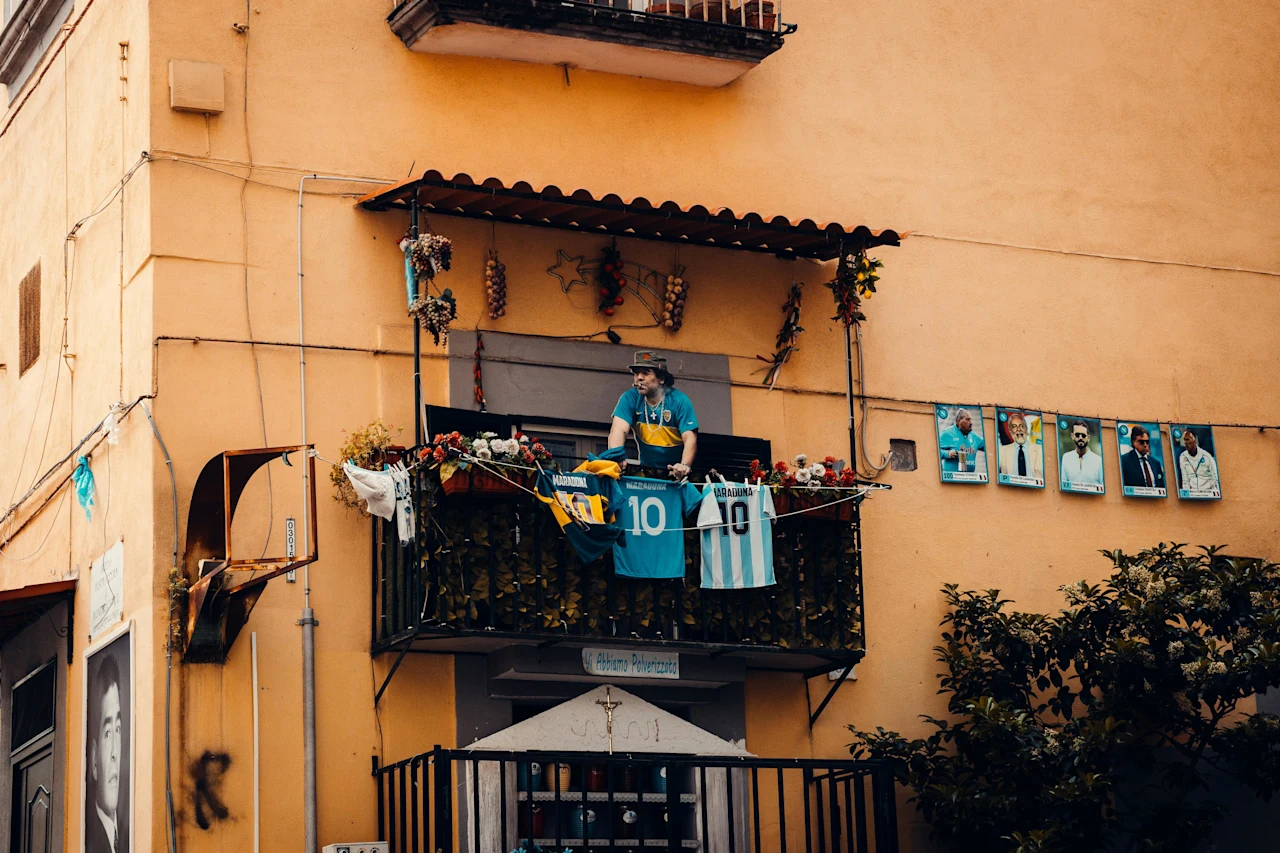
Consider Diego Maradona—perhaps the greatest footballer the world has ever seen. When he passed in 2020, his estate became one of the most publicized legal battles in sports history. With no clear estate plan, lawsuits between his children, former partners, and alleged heirs dragged on for years. The man who scored the "Goal of the Century" left behind a legacy defined, in part, by courtroom conflict.
Diego Maradona died without a will, leaving the future of his $75 to $100 million unclear, despite having fathered eight children over decades (with six different women). To say the least, his family dynamics were complex, and he left no guidance as to where any of his legacy should go. Prince. Sonny Bono. Stieg Larsson. Pablo Picasso. Jimi Hendrix. Some of the most creative, accomplished people of the 20th century—none of them had an estate plan.
The result? Families fractured. Money tied up in courts. A legacy defined not by what they built, but by the mess they left behind.
It's not a failure of character. It's a failure of planning. And it's a failure anyone can avoid.
What a Legacy Plan Actually Is
You don't have to be famous to think about legacy. You just have to care about what happens to the people and things you love when you're no longer here.
A legacy plan is an estate plan. At its foundation, it's three things.
A will. Your instructions for who gets what, who cares for your children, who carries out your final wishes. Without a will, a court—not you—makes those decisions.
A trust. The vehicle that transfers your assets to your family without probate court delays, fees, or public record. If you own real estate, a trust is often the smartest way to make sure that property goes directly to the people you choose.
Beneficiary designations. For life insurance policies, retirement accounts (401(k)s, IRAs), and other financial accounts, your beneficiary designation is often the most important document you have. It supersedes your will. If you named an ex-partner years ago and never updated it, that's who receives the money—regardless of what your will says.
Together, these documents create the legacy plan. They're the difference between a family that's protected and a family that's left figuring it out in court.
You Don't Have to Be a Legend to Leave a Legacy
The World Cup reminds us of something we already know but sometimes forget: the reason we play isn't just for the glory. It's for the people in the stands. The family watching from home. The community you represent.
The greatest athletes understand this. The moments they'll be remembered for aren't just the goals—it's what they stood for, who they played for, what they built outside the game.
That same intentionality belongs in estate planning.
The construction worker who bought his first home in America at 52. The woman who ran a tamale business for 20 years to put her kids through college. The grandfather who sent money home every month for a decade to build a house for his parents back in Oaxaca.
These are legacies. They deserve to be protected with the same care and intention that built them.
The Families Who Got It Right
The famous examples of failed estate planning get all the attention. But for every headline-grabbing disaster, there are thousands of quiet families who did it right—and whose loved ones were spared an enormous amount of pain because of it.
The family that inherited the house without a single court appearance, because it was in a trust.
The kids who had a clear guardian named and in place, so when the unthinkable happened, there was no confusion—just love and continuity.
The surviving spouse who didn't have to fight for access to her own bank account because a Power of Attorney was in place.
These stories don't go viral. But they're the ones that matter.
Your Legacy Starts With a Plan
The World Cup happens every four years. Your estate plan can start today.
Trust & Will makes it simple to create a will, a trust, or a complete estate plan—online, in as little as 30 minutes, at a fraction of what an attorney would charge. Attorney-approved documents, customized to your state, built to hold up when it matters most.
You've played your heart out. Build the game plan for what comes next.
[Start Building Your Legacy Plan Today]
Trust & Will is an online service providing legal forms and information. Trust & Will is not a law firm and does not provide legal advice.
Last updated: June 4, 2026


Related Articles
View All Articles
Estate Planning - 24 min read min read
The 2026 Death & Inheritance Report: When, Where, and Why American Families Talk About Death, Inheritance, and Estate Planning
Financial Advisors - 4 min read
How Advisors Help Families Name Their Quarterback Before a Crisis Does

Estate Planning - 12 min read