

Why Estate Plans Stall and What Gets Them Moving Again
Estate plans often stall. Financial advisors share how reframing, clarity, and small next steps help clients turn hesitation into meaningful progress.

By Fiona Solis
Community Ambassador, Trust & Will
Most clients don’t delay estate planning because they don’t care.
They delay because it feels big. The decisions feel permanent. The terminology feels unfamiliar. And even thoughtful, organized families can hesitate when something carries emotional weight.
At a recent Trust & Will Contributor Panel, advisors shared what they see behind that pause — and what actually helps clients move forward.
It turns out, momentum doesn’t come from pressure. It comes from reframing.
When It Feels Like Too Much
Many clients assume they need to finish everything perfectly in one sitting. That belief alone can stall progress before it begins.
“For me, it’s been incremental,” said Al Faber, CFP®, Founder of DIWY Financial Planning, “Trying to do too much all up front is what stops you from making progress.”
So Al shifts the expectation. “It’s not one and done. We don’t have to do it all at once. And we can always change it.”
When clients understand their estate plan can evolve, starting feels less intimidating. And because Trust & Will makes estate planning more affordable and accessible for both clients and advisors, revisions are realistic — not burdensome.
You don’t have to get it perfect to get it started.
When perfection is no longer the barrier, progress becomes possible.
When Doing Nothing Still Means Choosing
Sometimes hesitation comes from distance — clients know estate planning matters, but the consequences of delay don’t feel immediate.
Ryan L. Goldschmitt, reframes that clearly: “This is not about making perfect decisions now. It’s about avoiding default decisions or outcomes that you did not want.”
Doing nothing is still a decision.
Karl Leonard Hicks, founding member of The Leonard Financial Group, LLC takes that a step further by asking a simple question: “What do you feel are the threats to your wealth?” The answers are often personal — concerns about a child’s financial maturity, family relationships, or future uncertainties. Then he follows up: “How have you addressed this in your estate documents?”
That gap often shifts the conversation.
Karl also reminds clients that if no estate plan exists, the state has one in place. Every state has intestate succession laws that determine how assets are distributed when someone passes without a will or trust. As Trust & Will explains in its overview of intestate succession, those default rules don’t always account for personal intentions or unique family dynamics.
Then Karl delivers the line that often sparks action to his clients:
“As long as you trust the state to make these decisions for you, then no worries.”
It’s not meant to alarm, it’s meant to clarify. Because inaction doesn’t preserve control — it transfers it.
And that realization often motivates clients to move forward.
When Structure Makes It Easier to Act
Even motivated clients can freeze mid-process. They reach a question about guardianship and quietly close the tab.
Chitra Patel, Founder and CEO, WealthWorth, notes that momentum comes from consistency. Estate planning is built into her annual cadence. Tasks are assigned, deadlines are reviewed, and progress is revisited regularly. When it’s part of the rhythm, it doesn’t drift.
And behind every strategy shared was empathy.
“When clients stall on their estate plan, it’s rarely about a lack of care,” said Bob Chitrathorn, CFP®, CPFA®, Co-Founder & CFO of Simplified Wealth Management,. “It’s overwhelming. It’s timing. It’s the emotional weight of confronting the future.”
Instead of pushing, Bob reframes: “You’ve done so much to protect and grow what you have. This is just the final step in making sure it stays protected.”
Then he offers a small next step: “Take 20 minutes this weekend — we’re almost there.”
Small momentum often leads to meaningful progress.
Turning Intention Into Action
Clients don’t need stronger reminders. They need clearer next steps and reassurance that they don’t have to solve everything at once.
When advisors normalize flexibility, ask thoughtful questions, build structure into the process, and leverage tools that reduce friction, hesitation fades.
Trust & Will was built to help advisors close the gap between intention and completion — turning conversations into completed plans that protect families.
You don’t have to finish everything today. You just have to begin.
Interested in partnering with Trust & Will to enhance your own clients’ estate planning needs? Learn more about how you can join over 20,000 financial advisors and firms who are delivering peace of mind to their clients by offering a comprehensive estate planning solution. Sign up for your free advisor account today.
Trust & Will is an online service providing legal forms and information. We are not a law firm and we do not provide legal advice.
Last updated: February 18, 2026


Related Articles
View All Articles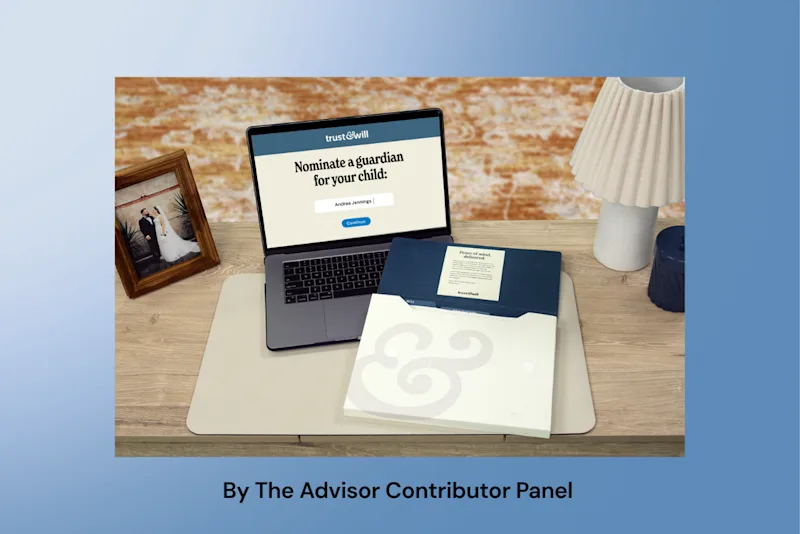
Financial Advisors - 3 min read
Seven Days, Seven Advisors: Reviewing Estate Plans During Estate Planning Awareness Week

Financial Advisors - 4 min read
How Advisors Help Families Name Their Quarterback Before a Crisis Does

Financial Advisors - 5 min read