
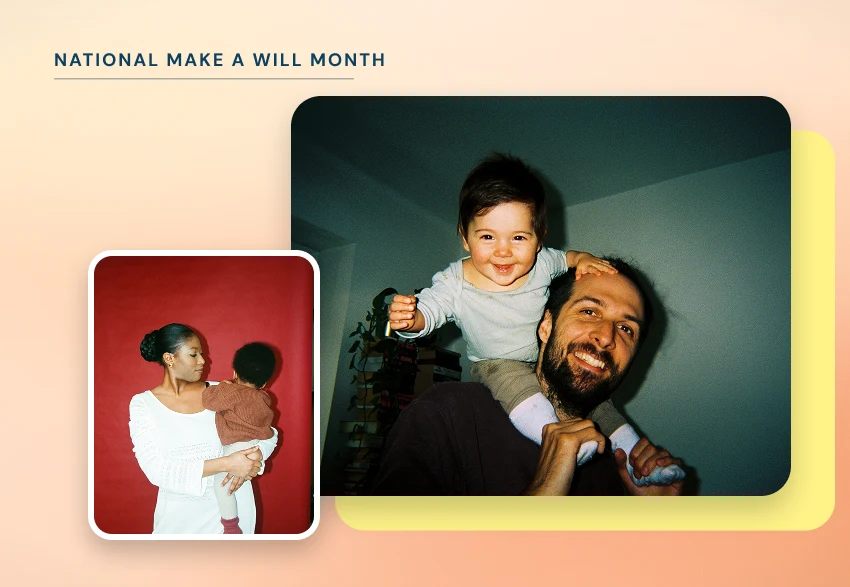
National Make-A-Will Month: 56% of Americans Still Have No Estate Plan
August is National Make-A-Will Month. Learn why 56% of Americans have no estate plan and how to create or update your will.

By Maya Powers
Estate Planning Content Expert, Trust & Will
August is National Make-A-Will Month, an annual reminder to complete one of the most important tasks many Americans continue to postpone.
According to the Trust & Will 2026 Estate Planning Report, 56% of U.S. adults have no estate planning documents at all. Only 26% have a will, down from 31% in 2025. Yet 73% of Americans say estate planning is personally important to them.
That disconnect represents one of the biggest challenges in estate planning today. Most people understand that creating a plan matters, but millions of families have not yet turned that understanding into action.
National Make-A-Will Month is an opportunity to close that gap.
Why don’t more Americans have a will?
Most people do not consciously decide against creating a will. They simply keep putting it off.
Trust & Will’s 2026 research found that the most common reasons people have not created a will or trust are:
Believing they do not have enough assets to need one: 27%
Procrastination: 23%
Not knowing where to begin: 17%
Concerns about cost: 15%
Feeling that estate planning is too complicated: 12%
Feeling uncomfortable thinking about death: 12%
These barriers are understandable, but they often stem from the misconception that estate planning is only for older adults or wealthy families.
A will is not only about transferring significant wealth. It can help you name the people or organizations you want to receive your property, choose someone to carry out your instructions, document important wishes, and nominate guardians for minor children.
Even if you do not own a home or consider yourself wealthy, you may still have financial accounts, personal belongings, digital assets, pets, or family responsibilities that deserve a plan.
Estate planning is about more than money
When Americans think about what they will leave behind, financial assets are not necessarily what matter most.
The Trust & Will 2026 Estate Planning Report found that 41% of Americans consider memories and relationships their most meaningful legacy. That ranked above financial assets, property, and personal values or lessons.
That finding helps explain why creating a will is such a personal act. Your estate plan can protect financial property, but it also allows you to communicate what matters to you and make difficult decisions easier for the people you love.
Trust & Will’s research also found that the most common motivations among people who have created a will or trust include:
Gaining peace of mind: 39%
Protecting loved ones: 32%
Experiencing the death of someone close: 19%
Reducing the potential for family conflict: 18%
Starting a family: 16%
You do not need to wait for a loss, emergency, or major financial event to begin planning.
What happens if you die without a will?
Dying without a valid will is known as dying “intestate.”
When that happens, state intestacy laws generally determine how assets included in your probate estate are distributed. Those rules may not reflect your relationships, priorities, or personal wishes.
An unmarried partner, close friend, stepchild, or favorite charity, for example, may not inherit unless you have documented your intentions through the appropriate estate planning tools.
The court may also appoint someone to administer your estate. For parents, the absence of a will means there is no written guardian nomination communicating who they would want to care for their minor children.
A judge will make guardianship decisions based on the child’s best interests, but the court does not have the same understanding of your child, relationships, or family dynamics that you do.
Learn more about what happens if you die without a will.
Without clear instructions, loved ones may be left to answer questions such as:
Who should manage the estate?
Who should receive personal or sentimental belongings?
Who would the person want caring for their children or pets?
Where are important accounts and documents located?
Were there charities or causes they wanted to support?
What were their healthcare and final-arrangement preferences?
A will cannot eliminate every administrative requirement or prevent every disagreement. It can, however, replace uncertainty with a clearer roadmap.
Families may be less prepared than they realize
The estate planning gap affects more than what happens to someone’s property.
Trust & Will’s 2026 research found that 42% of Americans would not know what to do if a family member died today. That percentage rises to 56% among people whose families have no estate planning documents.
Among people with a will or trust, only 18% to 19% say they would not know what to do.
Documents and family conversations cannot remove all the difficulty associated with a death. They can make the legal, financial, and personal steps that follow easier to understand.
Starting an estate plan also creates an opportunity to tell trusted family members where documents are stored, who has been selected to serve in important roles, and what should happen next.
The Great Wealth Transfer makes planning more urgent
Estate planning is becoming even more important as the United States enters what is often called the Great Wealth Transfer.
The Trust & Will 2026 Financial Advisor Report references estimates that between $84 trillion and $124 trillion could pass from older generations to younger generations over the coming decades.
Yet 48% of Americans feel unprepared for this transfer, and only 25% say they have a formal estate or inheritance plan in place.
This transfer will involve more than large investment portfolios. It will include homes, family businesses, vehicles, retirement accounts, personal possessions, and other property that can be difficult to manage or divide without clear instructions.
Creating an estate plan allows families to make decisions before a crisis and document those decisions while everyone can participate.
What can you include in a will?
A last will and testament can generally be used to:
Identify the people or organizations that should receive your property
Name an executor to administer your estate
Nominate guardians for minor children
Name someone to care for your pets
Leave specific gifts or sentimental belongings
Document certain final-arrangement preferences
Establish instructions for distributing the remainder of your estate
Create certain types of trusts that take effect after your death
A will is an essential estate planning document, but it may not be the only document you need.
For example, a financial power of attorney can authorize someone to handle financial matters if you become unable to do so. An advance healthcare directive can communicate medical preferences and name someone to make healthcare decisions on your behalf.
Depending on your assets, family structure, privacy preferences, and goals, a revocable living trust may also be appropriate. Unlike a will, assets properly transferred into a living trust can generally avoid probate.
Read more about what happens when you die with a will versus a trust, or compare Trust & Will’s estate plan options.
How to make a will during National Make-A-Will Month
You do not need to organize your entire life before beginning. Start with these five steps.
1. Take inventory of what you own
Make a basic list of your property and important accounts. This could include:
Your home and other real estate
Checking and savings accounts
Investment accounts
Retirement accounts
Life insurance policies
Vehicles
Business interests
Valuable or sentimental belongings
Digital accounts and assets
Debts and financial obligations
You do not necessarily need exact values to get started. The initial goal is to understand what you own and what may need to be addressed in your plan.
2. Decide who should receive your property
Think about the family members, friends, and organizations you want to include.
You can leave specific property to particular people, divide your estate among several beneficiaries, or include charitable gifts. You should also consider naming backup beneficiaries in case someone named in your plan dies before you.
Certain assets, including many retirement accounts and life insurance policies, are distributed according to their beneficiary designations rather than the instructions in your will. Review those designations as part of your planning process.
3. Choose an executor
Your executor is responsible for administering your estate. Their duties may include locating assets, filing necessary documents, paying valid debts, communicating with beneficiaries, and distributing property.
Choose someone who is responsible, organized, and comfortable handling financial or administrative tasks. It is also wise to name a backup executor.
4. Nominate guardians for minor children
Parents should consider who they would trust to care for their children if both parents were unable to do so.
Before naming someone, consider their relationship with your children, values, location, family circumstances, and willingness to take on the responsibility. Discuss the decision with the person and name at least one alternate guardian.
5. Create and properly execute your will
Every state has requirements governing how a will must be signed and witnessed. Some states also permit electronic wills when specific legal requirements are followed.
Many people with relatively straightforward needs can create a state-specific will online. People with complex estates, blended families, business ownership, special-needs beneficiaries, international assets, or advanced tax-planning needs may benefit from working directly with an estate planning attorney.
Once your will is complete, follow your state’s execution requirements, store the signed document securely, and make sure your executor or another trusted person knows how to access it.
For more help getting organized, use this will preparation checklist.
Already have a will? August is a good time to review it
National Make-A-Will Month is not only for people creating their first will. It is also a useful reminder to review an existing estate plan.
Trust & Will recommends reviewing your will after a major life milestone or every three to five years.
Consider updating your plan after events such as:
Marriage, separation, or divorce
The birth or adoption of a child
The death of an executor, guardian, or beneficiary
Buying or selling a home
Moving to another state
Starting or selling a business
Receiving an inheritance
A major change in your finances
A change in family relationships
A change in healthcare or end-of-life preferences
You should also review the beneficiary designations on retirement accounts, life insurance policies, and other financial products. Updating your will alone may not change how those assets are distributed.
Making a will is an act of care
The growing estate planning gap does not mean Americans do not care about protecting their families.
Trust & Will’s research shows the opposite: nearly three in four Americans believe estate planning is personally important. The gap exists because people procrastinate, feel uncertain about where to begin, or assume they do not have enough assets to need a plan.
National Make-A-Will Month is an opportunity to move from intention to action.
Make a list of your assets. Talk with your family. Choose an executor or guardian. Review an existing plan. Or begin creating your will online.
You do not have to solve every estate planning question at once, but you do have to begin.
Protect the people and things that matter most. Start your estate plan with Trust & Will.
Frequently asked questions
When is National Make-A-Will Month?
National Make-A-Will Month takes place every August. It encourages individuals and families to create a will or review an existing estate plan.
What percentage of Americans have a will?
According to the Trust & Will 2026 Estate Planning Report, 26% of U.S. adults have a will. Will ownership declined from 31% in 2025.
Do I need a will if I do not have many assets?
A will can be valuable even if you do not consider yourself wealthy. It can identify beneficiaries, name an executor, nominate guardians for minor children, and provide instructions for personal or sentimental property.
Can I make a will online?
Many people with relatively straightforward needs can create a customized, state-specific will using an online estate planning service. The will must still be properly signed and executed according to the laws of the applicable state.
Trust & Will offers attorney-designed Will Plans customized to each member and their state.
Does having a will avoid probate?
A will generally does not avoid probate. It provides instructions for how property included in the probate estate should be administered and distributed.
Assets held in a properly funded living trust and assets transferred through certain ownership arrangements or beneficiary designations may avoid probate.
When should I update my will?
Review your will after major changes involving your family, finances, property, health, or state of residence. Even when nothing significant has changed, periodically reviewing your plan helps ensure it still reflects your circumstances and wishes.
Trust & Will is an online service providing legal forms and information. We are not a law firm, we do not provide legal advice, and our online forms are not a substitute for the advice or services of an attorney.
Last updated: August 6, 2026